
Music and Imagery Therapy
Music and Imagery Therpay
is a music-centred integrative psychotherapy. Music is used to facilitate a dynamic exploration of consciousness and inner experiences in support of mental, emotional, physical, and spiritual aspects of well-being (European Association of Music and Imagery, and the Association of Music and Imagery). Music and Imagery is a branch of the Bonny Method of Guided Imagery and Music.
Music and Imagery Therapy is a receptive form of music therapy, meaning you receive the music, and the music itself is considered the therapist.
What is Music and Imagery?
Music and Imagery Therapy (MI) is a tool for getting to know our inner worlds on a deeper level through active music listening; a space in which music itself becomes a therapist.
You do not need any musical skills or background to take part. All you need is a relationship to music, and that is something we can build together. Over time, music can become a source of attachment and safety, something we learn to trust to hold us. The music we work with may come from your own collection or mine.
A key component of Music and Imagery is, of course, the music. Carefully selected music creates a supportive environment, evokes emotion, and deepens the therapeutic experience. Music acts as a catalyst; inviting us to engage more fully with our imagery and access emotional states that might otherwise be difficult to reach. It can hold us in relaxation, lift us into joy, sit with us in sadness, or open space for quiet introspection.
“During the session, I was at first a bit surprised, expecting from myself to see very precise images, like in a dream, before realising that it was a different kind of journey, and accepting whatever it was that was forming in my mind. And in the end, it was really like travelling in my mind and subconscious, with a lot of very precise scenes and impressions and strong emotions I hadn't expected.”
How does a Music and Imagery Session look like?
Finding Your Focus
At the start of each session, we find a focus together. The focus is what you want to bring into the music; the feeling, the question, or the part of yourself you want the music to support, hold, or comfort. We will also explore an image and sensations of the focus in our imagination.
From there, we explore what that focus might sound like: its tempo, colour, texture, feeling, and the instruments that carry it. Once you have a sense of what you are looking for, we search first in your music, then in mine, listening to parts of 3 to 4 tracks until we find something that feels as close a match as possible to where you want to be.
The Experience
Once we have found the music, we begin with a short guided relaxation and then we listen to the selected music, as many times as you need.
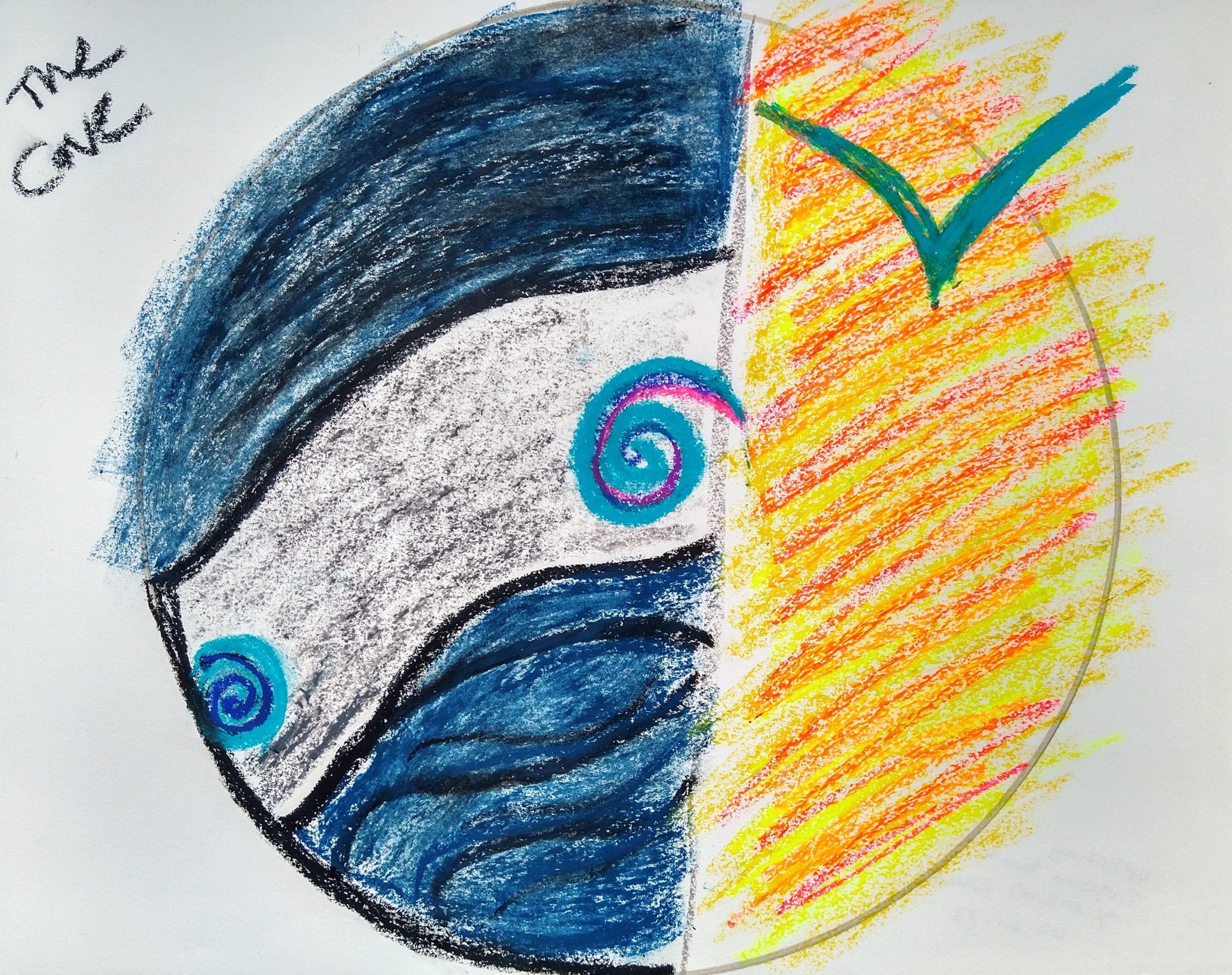
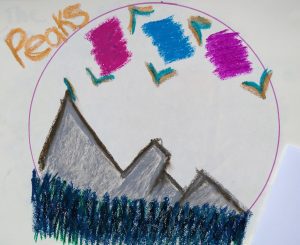
While the music plays, you are invited to draw. The drawing or mandala is not meant to be art, it is simply a way of allowing your body to express alongside what you are hearing. In other moments, your body may want to move instead, and we follow that too.
Why Music?
Music is unique in its ability to interact with many areas of the brain at once. It allows us to feel more deeply, to access parts of ourselves that words sometimes cannot reach. A gentle shortcut to our inner worlds, while always meeting you exactly where you are.
"Guided Music and Imagery with Sadie helped me organize my messy thoughts, and discover parts of my subconscious that helped me both with decision making and with managing my anxiety. The GIM experience is transformative and healing on a deep level. It supported me to come to peace with difficult situations by gaining enhanced insight to my mind’s core. Aside from being healing, the session with Sadie is also very relaxing and left me feeling tranquil and optimistic with a bigger belief in myself.”
Music and Imagery Therapy frequently Asked questions
Sessions are generally 50 minutes, or the length you have chosen.
Curious about the Guided Imagery and Music session?
“I was impressed by how powerful the images I saw were. It was a different experience to what I had had before, either in therapy, or when I try to understand myself and reflect on myself. It was closer to an LSD trip, but the fact that I got to talk to you while seeing these images gave them a deeper power almost, made me remember them in a different way, and the drawing at the end really helped draw meaning of it all, see the links and connections, gain perspective, and confidence. In the following weeks and months, I've thought of these images and emotions again, and they have helped me overcome fear or doubt or anxiety! Very precious!”
Guided Imagery and Music Podcast
🎧 Therapy Talk with It’s Complicated
🎙️ E20: Sadie Smith on Guided Imagery and Music
🔗 Listen Here: https://open.spotify.com/episode/6cRcWZE7gnohpv6XCvjOW7?si=lr08OOh5TB-uVlIFezHXdQ